
Our Approach to Historic Site Interpretation
We help historic sites connect with visitors through carefully researched narratives that respect the past while speaking to today's audiences. It's about finding the stories that matter and presenting them in ways people actually care about.
Building Context First
Before we talk about interpretation strategies, we spend time understanding your site. What happened here? Who lived here? What physical evidence remains, and what's been lost to time?
This isn't just academic research—though we do plenty of that. We walk the grounds, examine the structures, talk to local historians, and dig into archives. Sometimes the most compelling stories emerge from seemingly minor details: a worn threshold stone, unusual construction methods, or documents that contradict popular assumptions.
One site we worked with in March 2025 had focused their interpretation on a prominent family for decades. Our research uncovered a more complex story involving the laborers who actually built and maintained the property. Shifting the narrative to include these voices didn't diminish the original story—it made the whole history richer and more engaging for visitors.

Our Research Process
Good interpretation starts with solid research, but research alone doesn't create connection. We've developed a process that balances historical accuracy with visitor engagement.
Document Analysis
We review existing interpretation materials, visitor feedback, and historical records. What stories are you already telling? What's working, and where do visitors seem confused or disengaged? Often, we find valuable research sitting unused because no one's figured out how to present it effectively.
Site Assessment
Physical spaces tell their own stories. We examine sight lines, circulation patterns, and how visitors naturally move through your site. The goal is to identify opportunities where interpretation can enhance rather than interrupt the visitor experience.
Audience Research
Who visits your site, and why? We look at visitor demographics, length of stay, and what they say about their experience. Understanding your audience helps us craft interpretation that resonates with the people who actually show up—not some idealized visitor we wish would come.
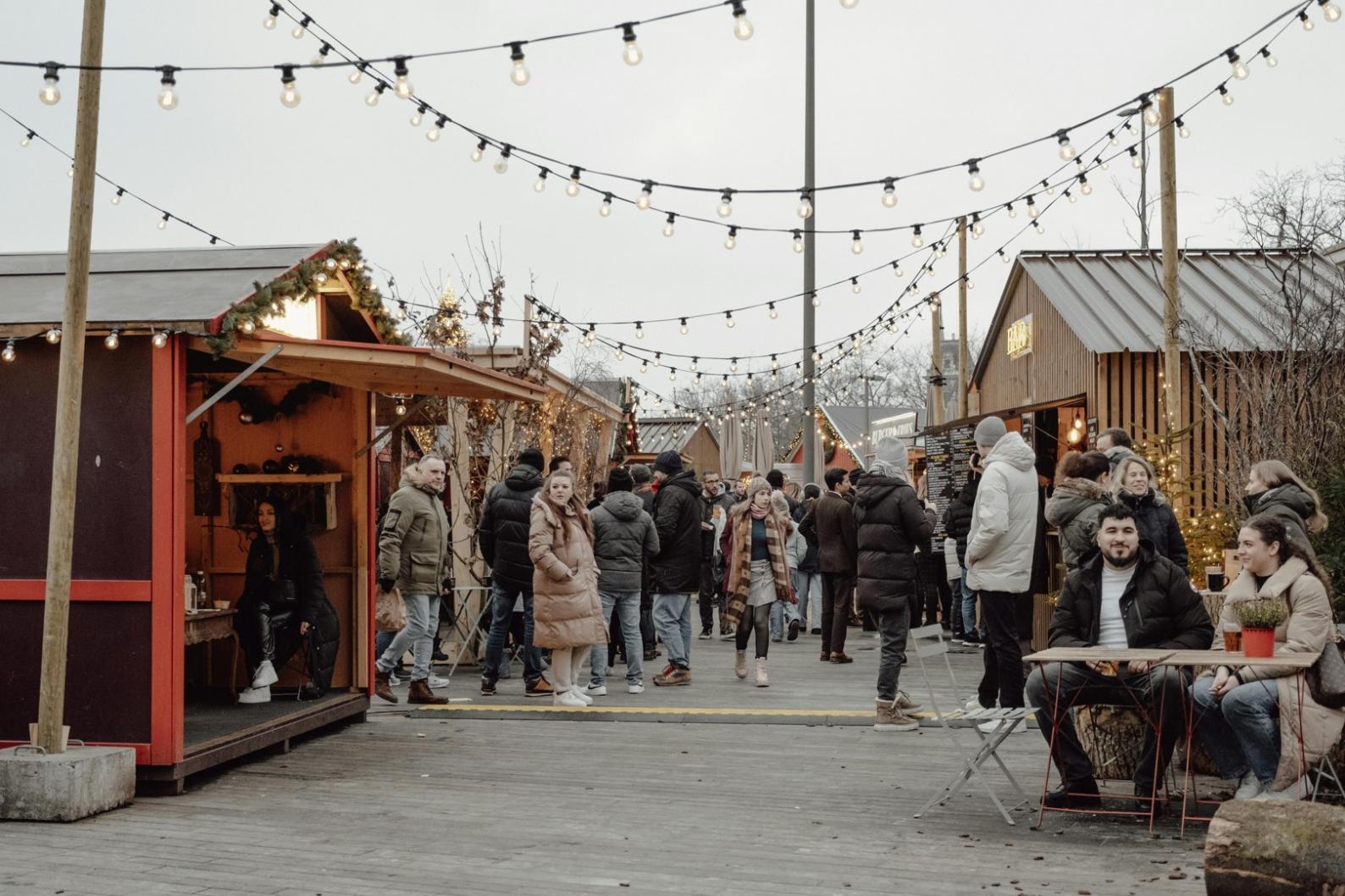
Interpretation That Works
Make It Relevant
Visitors need to understand why this history matters beyond the site itself. We look for universal themes—community, conflict, innovation, perseverance—that connect past events to present concerns. This doesn't mean distorting history to fit modern agendas. It means showing how past experiences illuminate current questions.
Embrace Complexity
Real history is messy. People made contradictory choices. Events had multiple causes and consequences. Good interpretation acknowledges this complexity rather than simplifying it into neat narratives. Visitors appreciate being treated like thoughtful adults who can handle nuance.
Use Evidence Thoughtfully
Primary sources bring history to life, but they need context. A letter or photograph that seems self-explanatory to a historian may confuse general visitors. We help you select evidence that's both historically significant and accessible, then frame it so visitors understand what they're seeing and why it matters.
Support Different Learning Styles
Some visitors want deep dives. Others prefer quick overviews. Families with children need different approaches than solo history enthusiasts. Effective interpretation offers multiple entry points so everyone finds something meaningful at their own level.
The People Behind the Process
Our methodology works because of the varied perspectives our team brings. We combine historical research skills with practical experience in education, design, and visitor services.
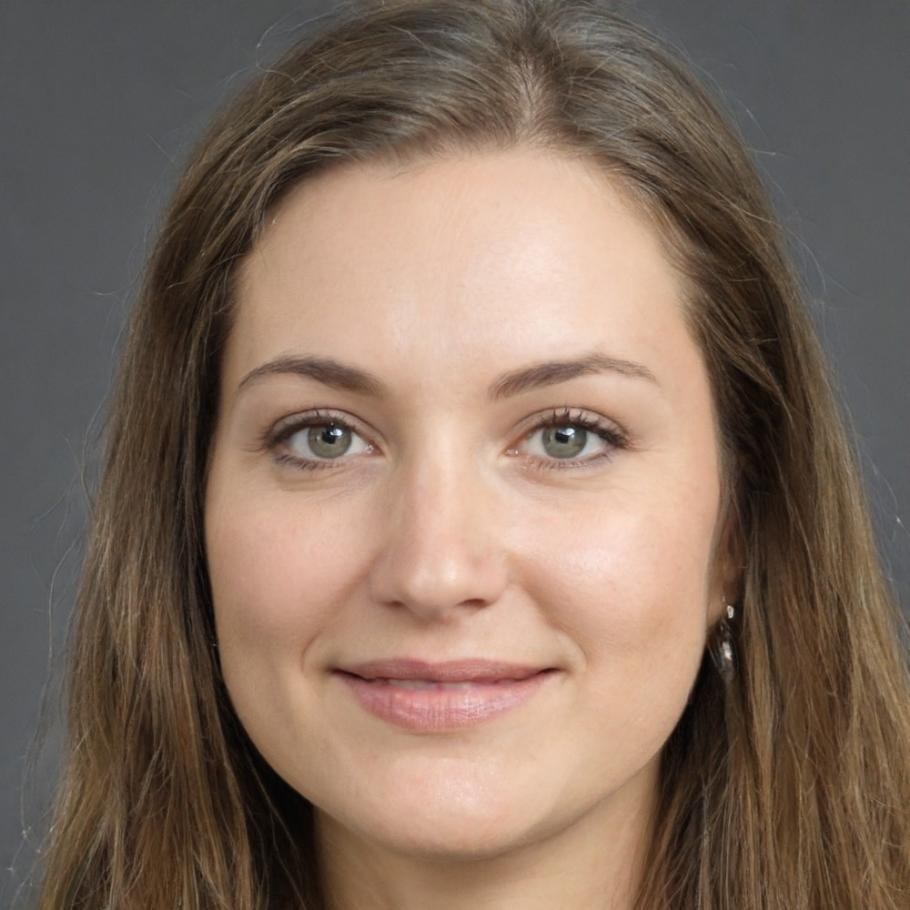
Siobhan Gallagher
Lead Interpretive Consultant
Siobhan spent twelve years managing interpretation at a living history museum before joining us in 2023. She's particularly skilled at finding the human stories within institutional histories and helping sites tell more inclusive narratives.
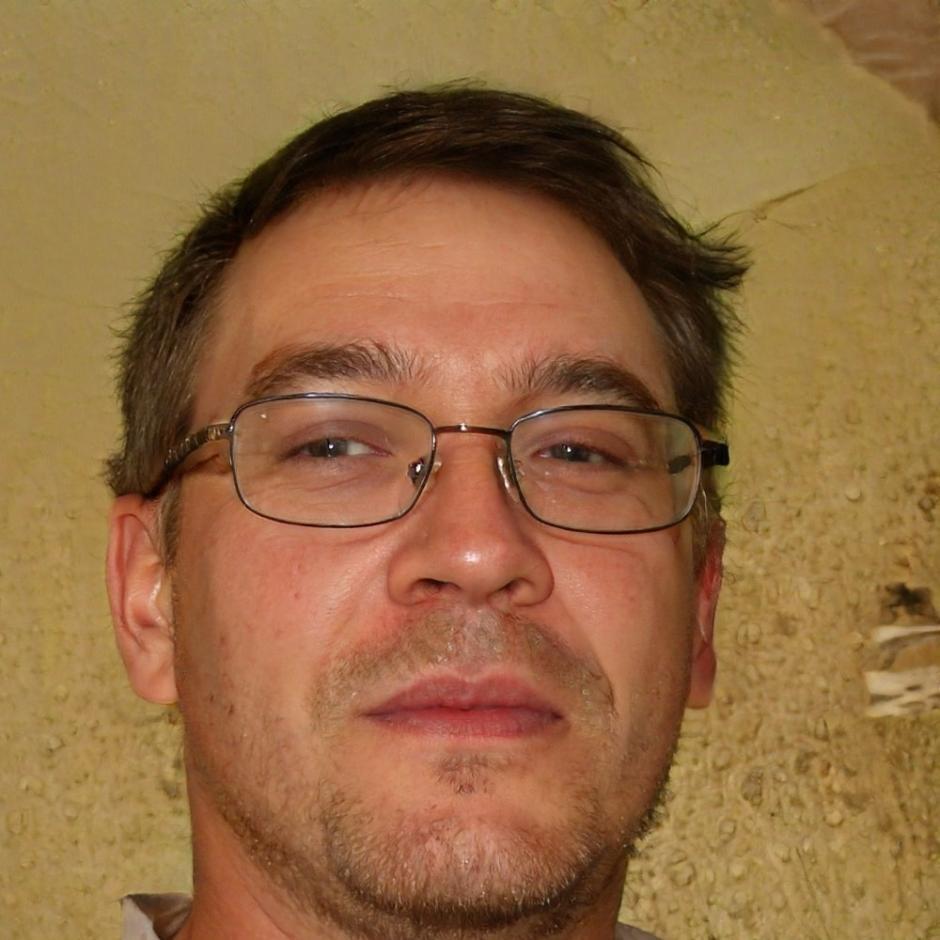
Desmond Thorne
Historical Research Specialist
Desmond brings academic rigor without academic jargon. His background in public history helps him identify which research findings will genuinely interest visitors and which should remain in the footnotes.
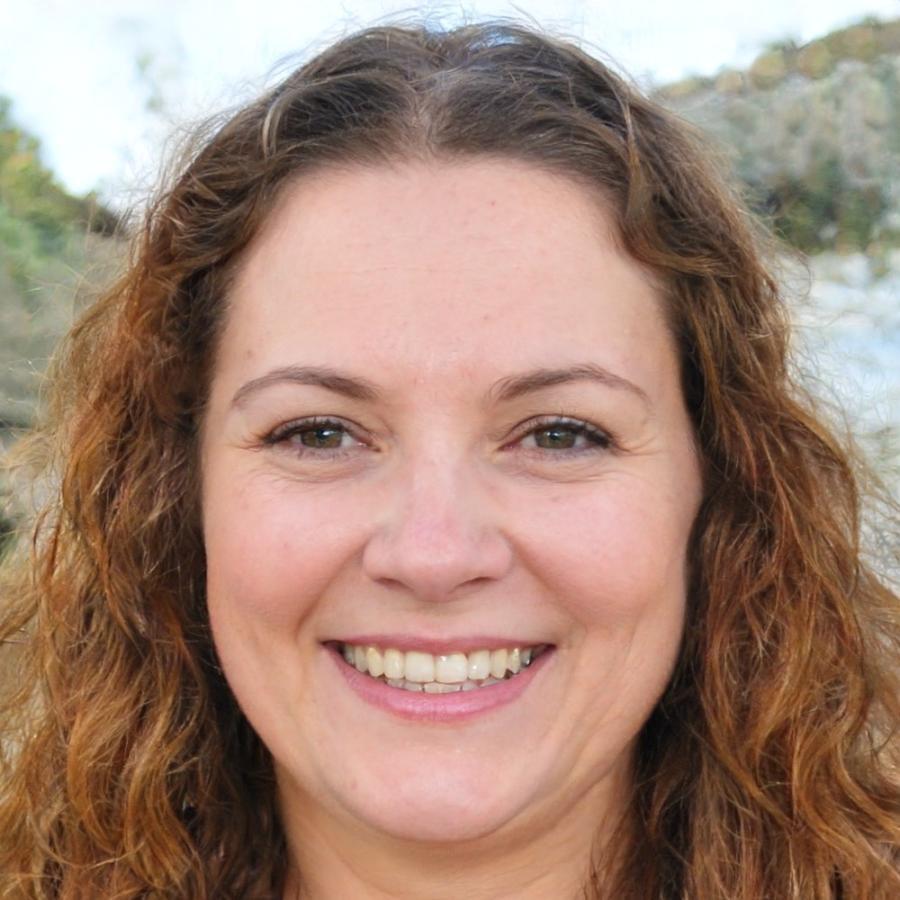
Petra Lindqvist
Visitor Experience Coordinator
Petra evaluates interpretation from the visitor's perspective. She's the one asking "Will people actually read this?" and "Does this flow make sense to someone who's never been here before?" Her practical focus keeps our work grounded in reality.