
Where History Meets Professional Development
We started in early 2019 with a simple observation—most career training in historic interpretation felt disconnected from what you'd actually face at a living history site. Too much theory, not enough hands-on context. So we built something different.
Built From Real Experience
Back in 2018, I was working with a regional heritage park when three new interpreters showed up with certificates but couldn't handle basic visitor interactions. They knew dates and facts but froze when a family asked about daily life in the 1840s.
That's when it clicked. Training programs were teaching content—which matters—but skipping the practical skills that make interpretation actually work. How do you make a blacksmith demonstration engaging for both kids and adults? What do you do when someone challenges your historical accuracy?
We spent six months talking to site managers, veteran interpreters, and people who'd left the field because they felt unprepared. Then we designed training that addresses those gaps.
Contextual Learning
We don't separate research from presentation skills. Every module connects historical accuracy with practical interpretation techniques because that's how the job actually works.
Field-Tested Methods
Our curriculum comes from active interpreters and site managers. When we add a new technique or approach, it's because we've seen it work across different sites and audiences.
Flexible Pathways
Some people want full certification. Others need specific skills for an upcoming season. We've structured programs so you can focus on what matters for your situation.
Who's Behind This
Small team. Deep backgrounds in both historical research and public interpretation. We still work at active sites because staying current matters.
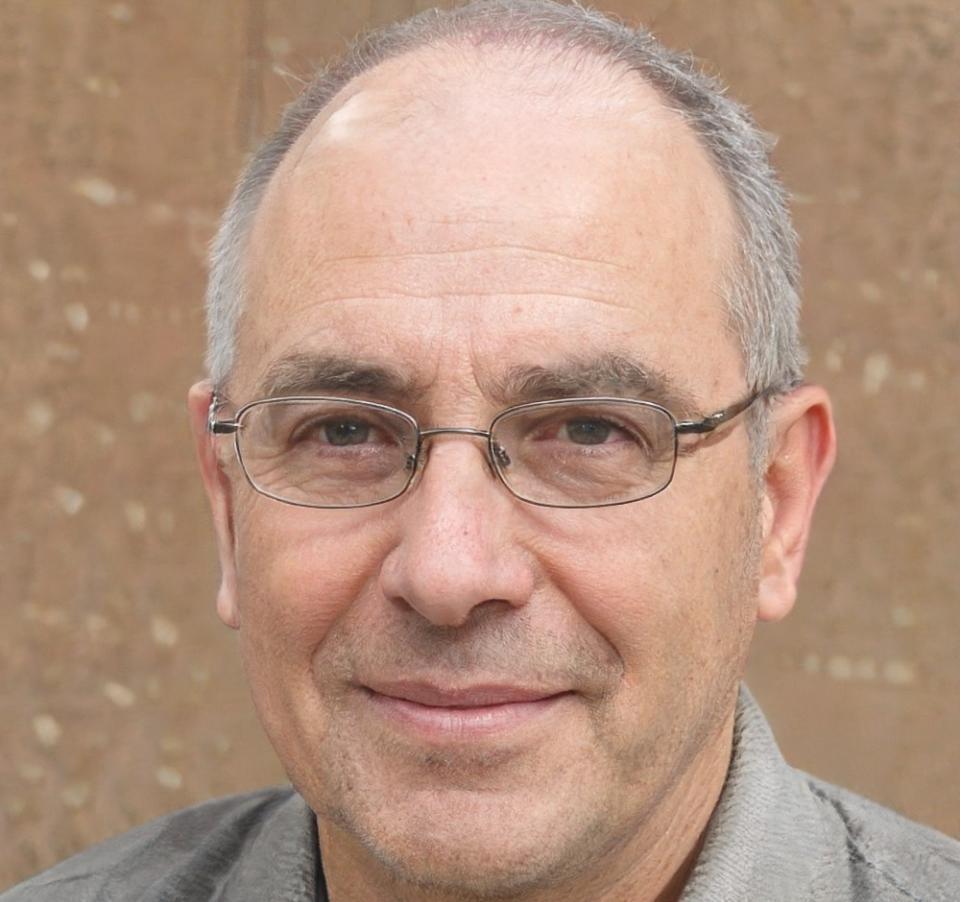
Soren Kallberg
Fifteen years interpreting colonial and early American sites. Developed visitor engagement protocols now used at seven museums across the Midwest. Still leads weekend programs at a Revolutionary War fort.
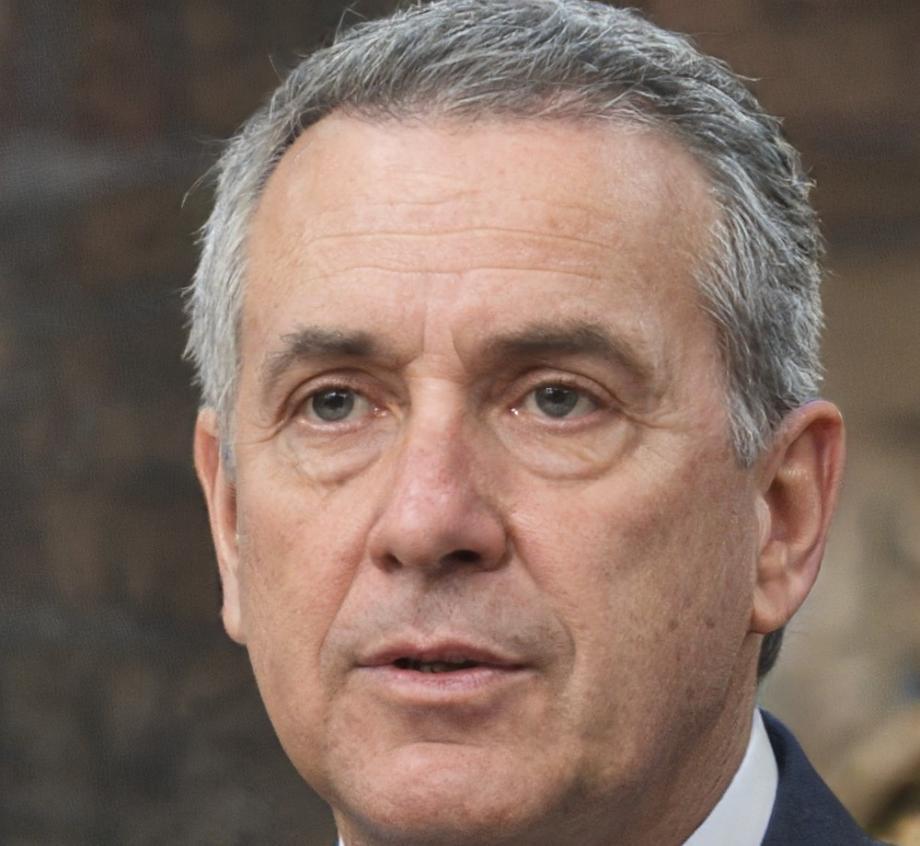
Lukas Devereux
Background in material culture and archaeological interpretation. Works with sites transitioning from artifact displays to immersive programming. Spends summers running field schools at historic locations.
Living History Techniques
First-person and third-person interpretation methods. Developing character perspectives that stay historically grounded while connecting with modern audiences.
Educational Programming
School group management and curriculum alignment. Creating age-appropriate experiences that meet educational standards without dumbing down the history.
Material Culture Analysis
Using objects to tell stories. Training interpreters to handle, demonstrate, and explain artifacts in ways that illuminate daily life and broader historical themes.
Site Development
Working with heritage locations to expand interpretation capacity. Staff training, program design, and visitor experience assessment for museums and historic sites.
How We Actually Teach This
Theory matters, but you won't spend weeks reading before you practice. We mix research fundamentals with immediate application—because that's closer to how you'll prepare for real interpretation work.

Historical Foundation
Start with the primary sources and archaeological evidence for your interpretation period. We show you where to find reliable information and how to assess conflicting accounts.
Interpretation Design
Take that research and turn it into engaging content. Learn techniques for different audiences—from school groups to history enthusiasts to casual visitors.
Practical Application
Practice with feedback. You'll develop demonstrations, handle common visitor questions, and work through scenarios based on real situations interpreters face.
Field Preparation
Before you finish, we cover the practical stuff—working with collections, site policies, seasonal programming needs, and how to keep improving after training ends.

Our next full program starts in July 2026. If you're already working at a site and need specific skill development, we run focused workshops throughout the year. Reach out if you want to talk about what would work for your situation.