
Comprehensive Resources for Historic Site Interpretation
We've built our study materials around one simple idea: understanding historic sites requires more than memorizing dates. You need context, perspective, and practical frameworks that actually work when you're standing in front of visitors.
Get StartedWhat You'll Find Here
Our collection spans foundational concepts through advanced interpretation techniques. Most professionals spend years gathering this information from scattered sources—we've organized it into a coherent learning path.
Research Methodologies
Primary source analysis tools, archival research protocols, and documentation standards used at major historic sites. We focus on techniques that reveal authentic stories rather than assumptions.
Visitor Engagement Strategies
Communication frameworks that work across different audiences. These aren't theoretical—they're drawn from interpreters managing thousands of visitors annually at diverse heritage locations.
Preservation Context
Understanding how preservation decisions shape interpretation possibilities. You can't effectively interpret what you don't understand about material culture and conservation priorities.
Narrative Development
Crafting historically accurate stories that resonate with contemporary audiences. Balancing scholarly rigor with accessibility is challenging—our materials address this directly.
Site-Specific Applications
Case studies from battlefields, house museums, archaeological sites, and industrial heritage locations. Each site type presents unique interpretive challenges worth examining.
Professional Development
Career pathways, certification preparation, and continuing education resources. The field is evolving—staying current requires intentional learning strategies.

Built for Practical Application
Theory matters, but we've prioritized materials you can actually use. Every resource addresses real scenarios interpreters encounter—from unexpected visitor questions to budget constraints that affect programming.
- Detailed case studies from 40+ historic sites across different regions
- Downloadable templates for tour scripts, educational programs, and evaluation tools
- Video demonstrations of interpretation techniques in authentic settings
- Access to archived webinar content featuring practicing professionals
- Discussion guides for staff training and volunteer development
We update materials quarterly based on field developments and user feedback. What worked in 2023 might need adjustment in 2025 as visitor expectations and technology evolve.
Resource Categories Comparison
Different learning paths suit different career stages and interests. This breakdown helps you identify where to focus based on your current role and development goals.
| Resource Type | Format | Best For | Prerequisites | Typical Duration |
|---|---|---|---|---|
| Foundational Courses | Video lessons with readings | Career changers, new interpreters | None required | 8-12 weeks |
| Advanced Seminars | Live sessions, recordings | Experienced professionals | 2+ years site experience | 4-6 weeks |
| Research Guides | Written documents, checklists | Anyone conducting site research | Basic archival knowledge | Self-paced |
| Workshop Materials | Facilitation guides, activities | Training coordinators, supervisors | Teaching experience helpful | Flexible implementation |
| Certification Prep | Practice exams, study plans | Pursuing formal credentials | Varies by certification | 3-6 months |
| Specialized Topics | Mixed formats | Niche interests or site needs | Depends on topic | Variable |
Contributors to Our Materials
Our content comes from professionals actively working in the field. They bring perspectives from different site types, geographic regions, and interpretation challenges.
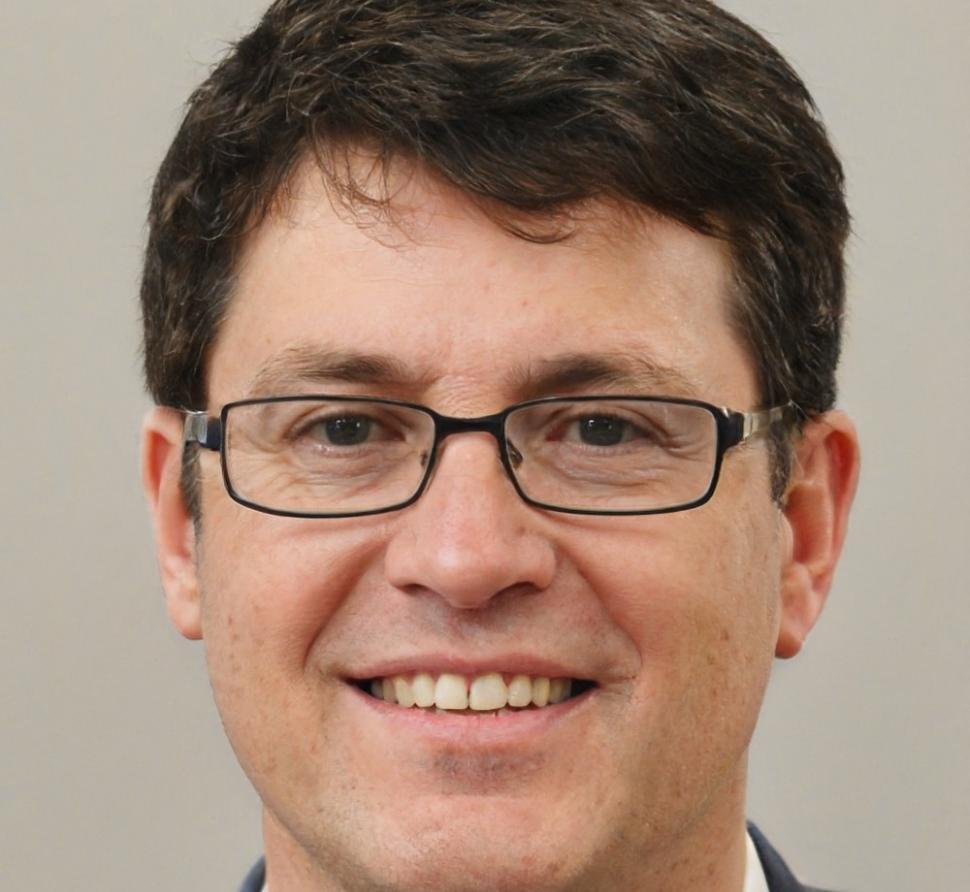
Kieran Westbrook
Military History Interpretation
Kieran spent fifteen years interpreting Civil War battlefields before transitioning to training development. His modules on conflict landscapes help interpreters navigate sensitive historical narratives with nuance.

Lachlan Thorne
Educational Programming
As education coordinator at a house museum complex, Lachlan develops school programs that meet curriculum standards while remaining historically authentic. His practical templates save hours of planning time.

Stellan Rourke
Industrial Heritage Specialist
Stellan focuses on making technical industrial processes accessible to general audiences. His work with mining and manufacturing sites demonstrates how to translate complex operations into compelling visitor experiences.
Suggested Learning Progression
While you can access any material at any time, many users find this sequence helps build comprehensive understanding systematically.
Interpretation Fundamentals
Start with core concepts: what interpretation is, how it differs from teaching, and why it matters for historic sites. This foundation supports everything else.
Research and Documentation
Learn to find reliable sources, evaluate historical claims, and build defensible narratives. Strong research prevents common interpretive mistakes.
Audience Engagement
Develop techniques for connecting with diverse visitors. Understanding learning styles and communication preferences transforms decent tours into memorable experiences.
Program Development
Design tours, events, and educational offerings that serve your site's mission while meeting visitor needs. This is where research and engagement skills combine.
Specialized Applications
Explore topics specific to your interests—whether that's landscape interpretation, material culture, digital tools, or challenging historical content.
Ready to Explore Our Resources?
We're continuously adding materials based on current field needs. Our next live session starts July 2025, but you can access archived content and self-paced courses anytime. Check out our upcoming webinars for interactive learning opportunities.